
Slum Rehabilitation Projects - (SRA)
What is SRA?
As per the 2011 Census, nearly 1.38 Cr households—around 6.4 Lacs people—live in slums across Indian cities, a number that continues to rise each year. This rapid growth has led to an increase in unsafe and unhealthy living conditions, posing a significant challenge to sustainable urban development.
Our objective is to provide permanent housing to as many families as possible and significantly improve their quality of life. Explore our slum rehabilitation developments. If you are interested in partnering with us on upcoming projects, we invite you to connect with us today.
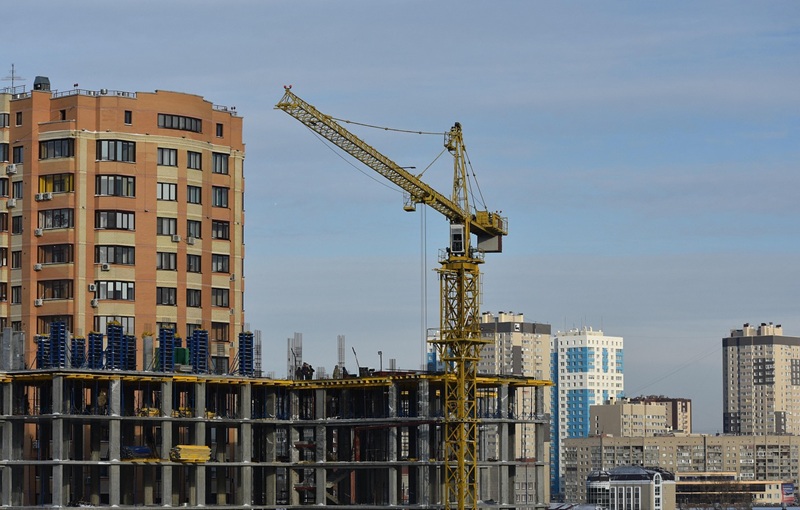
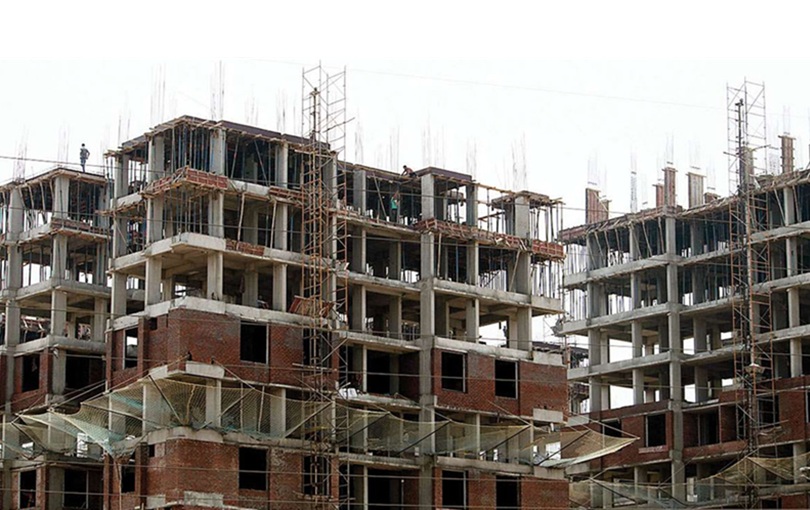
Government of Maharashtra Plans
To address this concern, the Government of Maharashtra amended the Maharashtra Regional and Town Planning Act (1966) and established the Slum Rehabilitation Authority (SRA) as a nodal agency. The SRA introduced the Slum Rehabilitation Programme to assess existing slum conditions within cities and formulate comprehensive plans for their redevelopment. The authority oversees the effective execution of these schemes, ensuring structured and sustainable rehabilitation. Under this framework, property developers are empowered to rehabilitate slum dwellers in situ, while landowners and developers are compensated through Transferable Development Rights (TDR).
SRA Process
Identification, acquisition, and detailed scrutiny of the land title documents.
Conducting a comprehensive land survey and precise measurement of the site.
Execution and registration of the sale deed for the subject land.
Review of the City Development Plan (DP) to assess zoning regulations, road widening provisions, and planning reservations.
Carrying out a detailed cadastral survey of the land parcel.
Obtaining formal consent from the eligible slum dwellers for participation in the rehabilitation scheme.
Collection of biometric data of residents, including photographic documentation with their respective dwelling units.
Preparation and submission of the slum redevelopment proposal to the Slum Rehabilitation Authority (SRA).
Payment of scrutiny fees and continuous liaison with the SRA office for statutory approvals.
Procurement of the provisional list of residents from the SRA and publication of the same in two leading newspapers inviting objections and suggestions.
Conducting hearings for objections received and resolving issues through due process.
Submission of appeals for residents declared ineligible, as per SRA guidelines.
13. Publication of the final list of eligible beneficiaries approved by the SRA.
14. Fulfilment of all statutory compliances and submission of mandatory documentation, including survey maps, land measurement certifications, title search reports, and third-party verification reports (completion of the “3K” process). 15. Obtaining the “3D” Rehabilitation Certification from the SRA.
16. Securing administrative approval from the SRA under Section SR 4(5).
17. Vacating the project land by relocating residents to transit camps or rented accommodations, including payment of rent on their behalf and completion of all related statutory documentation.
18. Obtaining formal orders from the SRA to relocate non-cooperative residents and executing lawful evacuation with the assistance of SRA authorities.
19. Conducting a transparent lottery process for allotment of residential units in the rehabilitated building under SRA supervision.
20. Formation of the cooperative housing society with submission of all required legal and statutory documents.
21. Execution of individual agreements for each allotted residential unit in the rehabilitated development.
22. Conducting the first General Body Meeting of the newly formed society and appointment of interim managing committee members.
23. Execution and registration of the conveyance deed in favor of the rehabilitated housing society.